Sales Enquiry: 0800 146 995 | Head Office/General Enquiries: 01772 203111

Blog

Blog

Ultimate Guide to House Extensions for Your Dream Space

Are you feeling cramped in your current living space but love your home? A house extension could be the perfect solution to unlock your property’s full potential and create your dream space. Whether you envision a spacious kitchen, a sun-lit conservatory, or an extra bedroom with a view, this ultimate guide to house extensions will navigate you through every step of the process.
From initial planning and design ideas to securing the necessary permits, we will equip you with essential tips and inspiration to ensure your renovation journey is as smooth as possible.

Let us embark on this transformative adventure that not only enhances your home’s value but also elevates your lifestyle. Get ready to make your dream home a stunning reality!

Benefits of House Extensions

House extensions offer significant benefits, dramatically enhancing your living experience and boosting your property’s value. The primary advantage is the additional space provided without the immense hassle and expense of moving to a new home. This new area can be completely tailored to your lifestyle, whether you require a dedicated workspace, room for a growing family, or a larger area to entertain guests.

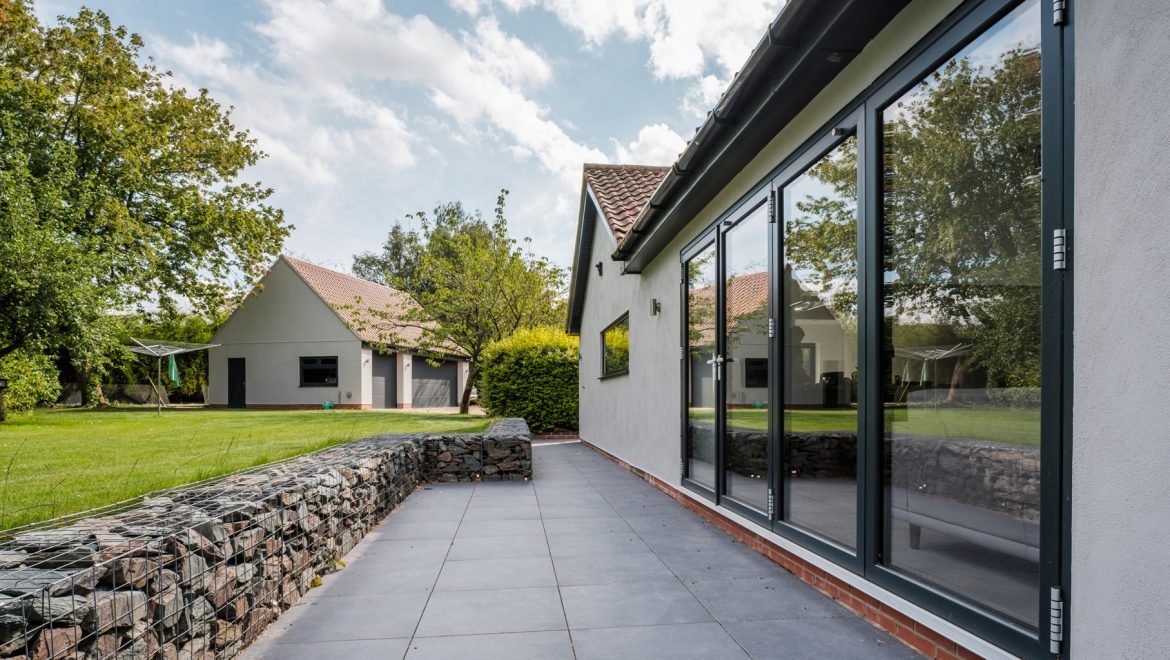
High-quality extensions add substantial financial value and modernise your home. Expanding a kitchen or adding a bedroom makes your property far more appealing to future buyers, serving as a lucrative long-term asset. Extending also allows you to replace outdated layouts with popular open-plan designs. Integrating contemporary elements – like large windows, skylights, or bi-fold doors – floods your living space with natural light while making it more functional and energy-efficient.

Types of House Extensions

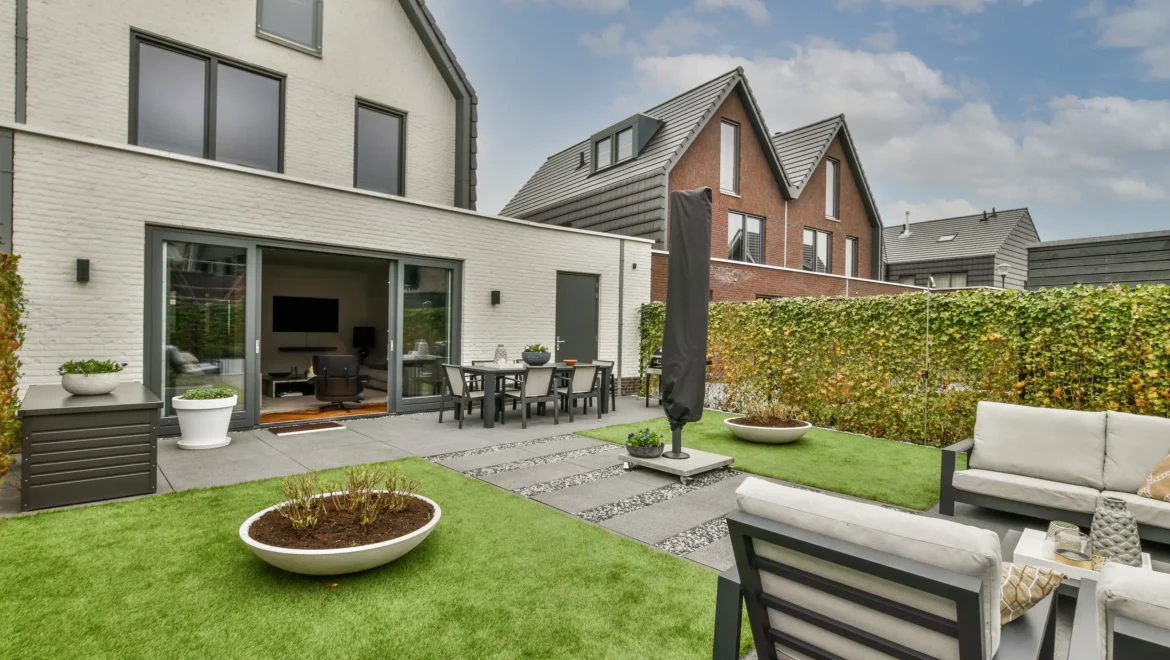
When it comes to house extensions, there are several types to consider, each offering unique benefits and suited to different needs and properties. One of the most common types is the single-storey extension. This type of extension is typically added to the rear or side of the property and can be used for various purposes such as expanding the kitchen, adding a dining area, or creating a new living space. Single-storey extensions are straightforward and cost-effective, making them a popular choice for many homeowners.

Another option is the double-storey extension. As the name suggests, this involves extending your home over two floors, providing even more additional space. This type of extension is ideal for larger families or those who need more than one extra room. While double-storey extensions are more complex and expensive than single-storey ones, they offer a significant increase in living space and can enhance the functionality and value of your home.

For those looking to maximise space without altering their home’s footprint, loft conversions are an excellent, cost-effective option. Transforming an unused attic into a functional bedroom, office, or playroom uses existing space highly efficiently. These conversions typically progress quicker than traditional extensions and frequently fall under Permitted Development rights, requiring less planning permission while adding significant property value.

Planning Permission and Regulations

Before starting a house extension, understanding planning permission and building regulations is crucial. Smaller projects often fall under Permitted Development Rights, but larger, complex designs – especially modern extensions with warm roofs, roof lanterns, and large aluminium openings – must meet strict structural and thermal standards to avoid fines or future sales issues.

At Lancashire Double Glazing, we do not just build – we manage the entire compliance and construction process for you. Our comprehensive service manages all technical paperwork, including structural calculations, SAP and U-value ratings, roof specifications, and Council submissions. By coordinating directly with Building Control and packaging your glazing, roof system, and approvals together, we eliminate the need for you to chase engineers, preventing costly delays and ensuring a smooth build from start to finish.

Designing Your House Extension

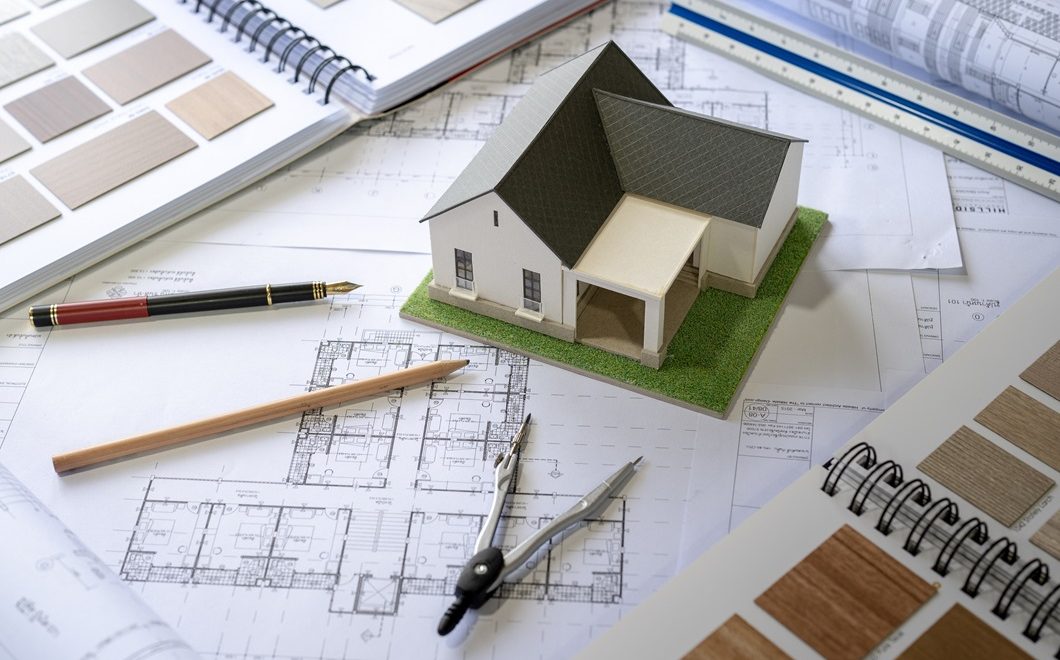
Designing your house extension is an exciting phase that allows you to bring your vision to life. The first step in the design process is to identify your needs and priorities. Consider how you plan to use the new space and prioritise your must-have features. Whether you need additional bedrooms, a larger kitchen, a home office, or a children’s playroom, understanding your exact needs ensures a design that is both functional and beautiful.

Consider your home’s existing architectural style to ensure a cohesive look. Select matching materials, colours, and finishes that complement the original structure for a seamless integration. Working with an experienced architect is invaluable for achieving this harmony. Additionally, incorporate sustainable elements – such as energy-efficient windows, premium insulation, and renewable energy sources – to lower your environmental footprint and reduce ongoing energy bills.

Additionally, consider how natural light can be maximised using large windows, skylights, or bi-fold doors. Not only do these elements create a bright and inviting space, but they also contribute to a healthier living environment.

Budgeting for Your House Extension

A realistic budget is critical to managing costs and avoiding financial surprises. Start by obtaining detailed, all-inclusive quotes covering materials, labour, and permits. It is also wise to set aside a contingency fund for unexpected construction expenses. When budgeting, consider the long-term equity your extension adds. Investing in high-quality materials, professional workmanship, energy-efficient windows, and premium insulation ensures a superior finish while cutting ongoing utility bills for lasting financial returns.

To fund your project, explore options like personal savings, home improvement loans, or remortgaging. Consulting a financial advisor helps identify the best path for your situation, while keeping a detailed expense log ensures you remain strictly on track.


Choosing the Right Builder

Choosing the right partner is crucial to the success of your house extension project. Instead of managing independent builders and hoping for high standards, choosing Lancashire Double Glazing means you are working directly with the company that manufactures and installs the work themselves. From design to completion, we do not subcontract our core services, ensuring total quality control, reliable timelines, and superior workmanship on every single build.

When you choose us, there is no need to spend weeks vetting third-party contractors, checking external references, or worrying about hidden liabilities. As a fully accredited, licensed, and comprehensively insured industry leader, we manage your entire project under one roof.
Our team maintains clear, open communication from day one, providing a transparent, comprehensive contract that clearly outlines your project milestones, payment terms, and robust guarantees.
By managing the process directly, we eliminate the risk of misunderstandings and keep your home extension running seamlessly on time and on budget.

Common Challenges and How to Overcome Them

Careful planning allows you to effectively manage the various challenges of a house extension project. Unexpected structural issues, poor weather, or material delays can easily throw off timelines; however, maintaining a clear contingency plan and buffer budget effectively mitigates these risks.

To minimise the stress of noisy and messy on-site construction, schedule building works during quieter family periods. Confirming fixed timelines and proactive dust-reduction methods with your team helps protect your living space, though moving into temporary accommodation remains a great option for extensive structural builds.

Navigating planning permissions and building regulations can also prove difficult. To overcome this, partner with a qualified professional who understands local guidelines and can manage the process seamlessly. Always maintain detailed records of all submissions, communications, and official approvals. Staying organised and proactive safeguards compliance, prevents disputes, and ensures a smooth, successful project from start to finish.

Inspiring House Extension Ideas

If you are looking for inspiration for your house extension, there are countless creative ideas to consider. One popular option is creating an open-plan kitchen and living area. This design creates a spacious and flexible space that is perfect for family gatherings and entertaining guests. Incorporating features such as a kitchen island, bi-fold doors, and skylights can enhance the sense of openness and bring in natural light.

Another inspiring idea is to create a dedicated home office or studio. With remote working increasing, a quiet, separate workspace significantly improves productivity and work-life balance. Incorporating built-in storage, ergonomic furniture, and large windows ensures a comfortable, functional, and versatile room that adds long-term property value.

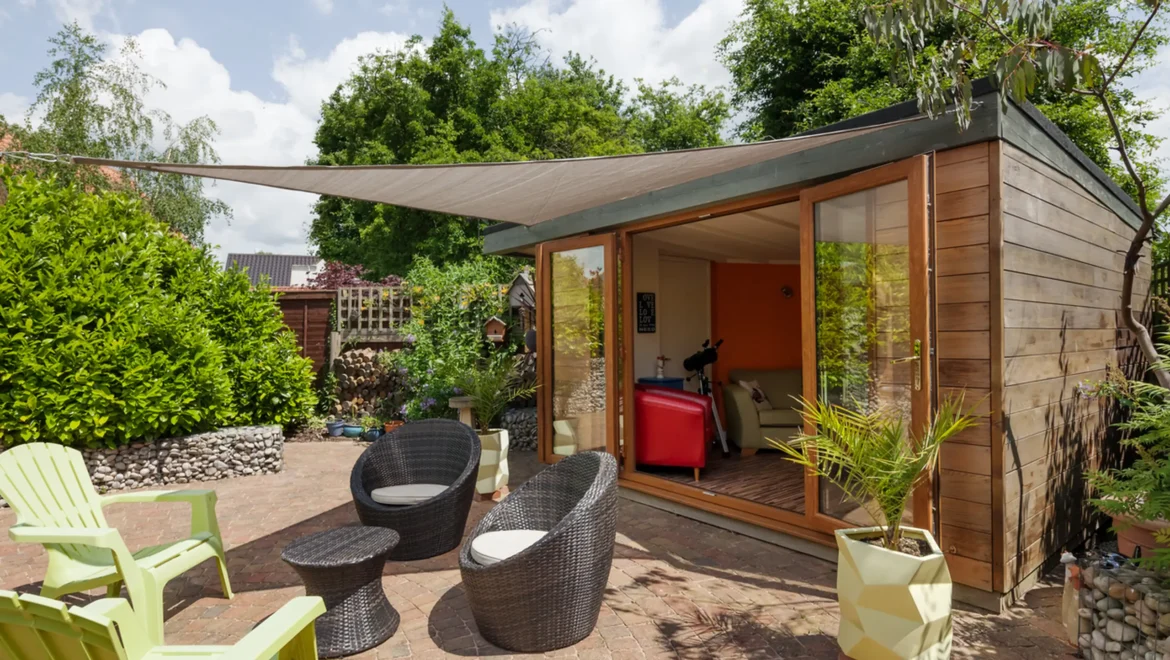
For those who enjoy spending time outdoors, a conservatory or garden room can be a wonderful addition. These structures create a seamless connection between your indoor and outdoor areas, allowing you to enjoy your garden year-round. Integrating large glass panels, underfloor heating, and comfortable seating creates a cosy, inviting space perfect for relaxation and entertaining while enhancing your home’s aesthetic appeal.

Making Your Dream Space a Reality

Careful planning can transform your house extension project into your dream space. This guide outlines the essential steps to get started, from understanding extension types to navigating planning permissions and budgeting. Choosing the right partner is crucial to ensure a successful outcome and overcome construction challenges. A well-executed extension enhances your daily living experience while adding significant long-term value to your property.

By following the steps outlined in this guide and seeking professional advice when needed, you can create a space that reflects your style, meets your needs, and elevates your lifestyle.

Now is the time to take the first step towards making your dream home a reality. With the right vision, planning, and execution, your house extension project can be a rewarding and transformative experience. Embrace the journey and enjoy the process of creating a home that you and your family will cherish for years to come.
Blog

Creating A Perfect Work-from-Home Oasis

Remote and hybrid working have transformed the way we live. Kitchen tables have become desks, spare bedrooms have turned into makeshift offices, and many homeowners are searching for a better solution that offers privacy, comfort, and year-round usability.Read more

Blog

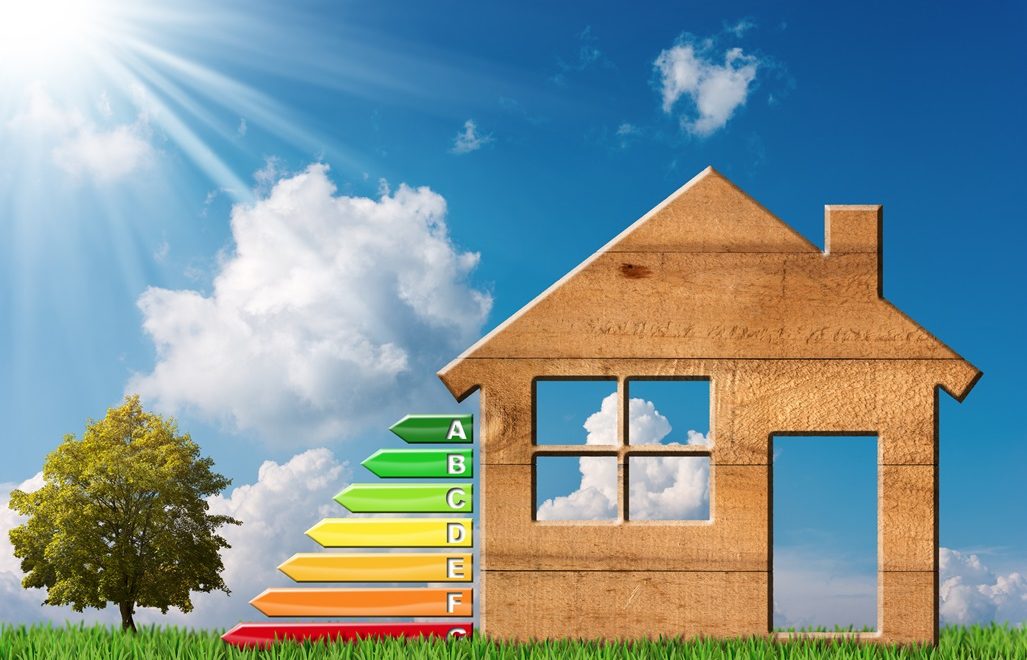
Top Energy-Efficient Improvements for Windows, Doors, and More

In today’s world, transforming your home into an energy-efficient haven goes beyond mere aesthetics; it’s about embracing sustainability while enhancing comfort. Windows, doors, and other key areas of your home provide the perfect starting point for significant improvements. With rising energy costs and an increased focus on environmental responsibility, making energy-efficient upgrades not only lowers your bills but also reduces your carbon footprint. Imagine basking in natural light through triple-glazed windows that keep you warm in winter and cool in summer or installing expertly sealed doors that block drafts and noise. These small changes can lead to substantial savings and contribute to a greener planet. Join us as we explore the top energy-efficient improvements for windows, doors, and more – your ultimate guide to creating a home that’s stylish, comfortable, and eco-friendly.

Understanding Energy Efficiency in Home Improvements

In an era where environmental consciousness and economic savings go together, understanding the importance of energy efficiency in home improvements is paramount. By targeting areas of your home that contribute significantly to energy loss, you can achieve substantial reductions in your utility bills and carbon footprint. Energy efficiency is not just a trend but a necessary measure to ensure a sustainable future for the coming generations. It involves the strategic selection of materials, technologies, and designs that minimise energy consumption while maximising comfort and functionality.

A significant portion of energy loss in homes occurs through windows , doors, and poorly insulated areas. These not only affect the overall comfort but also lead to higher heating and cooling costs. By addressing these key areas, you can create a more energy-efficient living space. This comprehensive approach to home improvement not only saves money but also contributes to a healthier environment by reducing greenhouse gas emissions.

Investing in energy-efficient home improvements also enhances the value of your property. Buyers are increasingly looking for homes that offer long-term savings and sustainability features. Therefore, making these upgrades not only benefits your immediate living conditions but also increases your home’s marketability. Understanding the principles of energy efficiency empowers you to make informed decisions that benefit both your wallet and the planet.

The Importance of Energy-Efficient Windows

Windows play a crucial role in a home’s energy efficiency. They are responsible for significant heat gain and loss, which directly impacts your heating and cooling costs. Energy-efficient windows are designed to reduce these losses, providing better insulation and maintaining a consistent indoor temperature. This not only enhances comfort but also reduces the strain on your HVAC system, leading to lower energy consumption.

One of the most effective types of energy-efficient windows is triple-glazed windows . These windows consist of three layers of glass with gas-filled spaces in between, which significantly improve insulation properties. They help in maintaining a steady indoor temperature by preventing heat escape during winter and reducing heat ingress during summer. This type of window also minimises noise pollution, making your home more serene and comfortable.

Low-emissivity (Low-E) coatings are another feature to consider for energy-efficient windows. These coatings reflect infrared light, keeping heat inside during winter and outside during summer. They also block harmful UV rays that can fade your furniture and flooring. By choosing windows with Low-E coatings, you can enjoy a more comfortable living environment while protecting your home’s interior from sun damage.

Choosing the Right Energy-Efficient Doors

Doors, much like windows, are critical components of your home’s energy efficiency. Poorly insulated or improperly sealed doors can lead to significant energy loss, affecting your home’s overall thermal performance. Selecting the right energy-efficient doors involves considering materials, insulation properties, and design features that enhance both functionality and aesthetics.

Fibreglass doors are an excellent option for energy efficiency. They offer superior insulation compared to traditional wooden or steel doors, thanks to their foam core. Fibreglass doors are also durable and low-maintenance, making them a long-lasting investment for your home. Their versatility in design options allows you to choose a style that complements your home’s architecture while improving energy efficiency.

Another important factor is the door’s weatherstripping and seals. High-quality weatherstripping prevents drafts and air leaks, ensuring that your home remains well-insulated. Proper sealing around the edges of the door reduces energy loss and enhances comfort by maintaining a consistent indoor temperature. Additionally, consider doors with multiple glazing options for added insulation and noise reduction.

Insulation: Maximising Energy Savings

Insulation is one of the most effective ways to improve your home’s energy efficiency. Proper insulation reduces heat transfer, keeping your home warmer in winter and cooler in summer. This not only enhances comfort but also significantly lowers your heating and cooling costs. Insulation can be applied to various parts of your home, including walls, attics, and floors, each contributing to overall energy savings.

Attic insulation is particularly important as heat rises and can escape through the roof. By insulating your attic, you can prevent this heat loss and reduce the need for excessive heating during colder months. Various materials, such as fibreglass batts, spray foam, and cellulose, offer different levels of insulation. Choosing the right material depends on your specific needs and budget.

Wall insulation is equally crucial, especially in older homes that may not have adequate insulation. Insulating your walls can be done using methods like blown-in insulation, which involves filling wall cavities with insulating material. This method is effective in reducing heat transfer and improving the overall thermal performance of your home. Floor insulation is also beneficial, particularly for homes with unheated basements or crawl spaces. By insulating these areas, you can prevent cold air from seeping into your living spaces.

Smart Home Technology for Energy Efficiency

The integration of smart home technology is transforming how we manage energy consumption in our homes across the UK. Smart thermostats, lighting systems, and appliances offer enhanced control over energy use, resulting in significant savings and improved comfort. These technologies allow you to monitor and adjust energy usage in real time, ensuring that no energy is wasted.

Smart thermostats, such as those from Nest and Hive, learn your preferences to optimise heating and cooling settings. They can be controlled remotely via smartphone apps, enabling you to manage your energy consumption even when you’re not at home. These devices also provide insights into your energy usage patterns, helping you make informed decisions to further reduce consumption.

Smart lighting systems, like Philips Hue and those available from UK retailers, allow you to control the brightness and colour of your lights using a smartphone or voice commands. These systems can be programmed to turn off automatically when not in use, helping to minimise energy waste. Additionally, smart plugs and power strips let you manage the power supply to various devices, ensuring they do not draw energy when not needed.

By integrating these technologies, you can create a more energy-efficient and convenient living environment, helping to lower your energy bills and contribute to a greener UK.

Benefits of Energy-Efficient Lighting Solutions

Lighting accounts for a significant portion of a home’s energy consumption. By switching to energy-efficient lighting solutions, you can reduce your electricity bills and lower your environmental impact. LED bulbs are one of the most effective lighting options available today. They use up to 80% less energy than traditional incandescent bulbs and last significantly longer, making them a cost-effective choice.

LED bulbs are available in a variety of styles and colours, allowing you to create the perfect ambiance in your home. They are also more durable and resistant to breakage, making them a safer option for households with children and pets. Additionally, LED bulbs produce less heat, reducing the strain on your air conditioning system during warmer months.

Another energy-efficient lighting solution is the use of motion sensors and timers. Motion sensors automatically turn lights on when someone enters a room and off when the room is unoccupied, preventing unnecessary energy use. Timers can be programmed to turn lights on and off at specific times, ensuring that your home is well-lit when needed and conserving energy when it’s not. By implementing these lighting solutions, you can enjoy a bright, comfortable home while reducing your energy consumption.

Sustainable Materials for Home Improvements

Choosing sustainable materials for home improvements is a key aspect of creating an energy-efficient and eco-friendly living space. Sustainable materials are those that have a minimal impact on the environment throughout their lifecycle, from production to disposal. These materials are often renewable, recyclable, and sourced responsibly, making them an excellent choice for environmentally conscious homeowners.

Bamboo is a popular sustainable material for flooring and cabinetry. It grows rapidly, making it a renewable resource that can be harvested without causing significant environmental damage. Bamboo is also durable and versatile, offering a stylish and eco-friendly alternative to traditional hardwood. Reclaimed wood is another sustainable option, repurposing old wood from buildings and furniture to create new, unique pieces. This not only reduces waste but also adds character and history to your home.

Recycled materials are also gaining popularity in home improvements. Recycled glass countertops and tiles, for example, are made from post-consumer glass, reducing the need for new raw materials. These products are available in a variety of colours and styles, allowing you to create a beautiful and sustainable living space. By choosing sustainable materials, you can reduce your environmental impact and contribute to a more sustainable future.

Government Grants and Incentives for Energy Efficiency

Many governments worldwide offer grants and incentives to encourage homeowners to make energy-efficient improvements, aiming to reduce energy consumption and promote sustainable living. In the UK, while the Green Homes Grant scheme officially ended in March 2021, alternatives remain available. The ongoing Energy Company Obligation (ECO) requires energy suppliers to assist households in lowering their energy consumption through measures like insulation and heating upgrades, especially for low-income households.
Additionally, the Boiler Upgrade Scheme, launched in April 2022, provides grants for installing low-carbon heating systems, such as heat pumps. Many local councils also have their own programs offering financial support for energy improvements, alongside government tax reliefs for eco-friendly works. By leveraging these financial incentives, UK homeowners can offset initial costs and achieve long-term savings on their utility bills while contributing to environmental sustainability.

Conclusion: Making the Right Energy-Efficient Choices

Transforming your home into an energy-efficient haven is a rewarding endeavour that benefits both your wallet and the planet. Lancashire Double Glazing specialises in key areas such as high-quality windows and doors that enhance insulation and lighting, helping you achieve substantial energy savings and greater comfort in your living space. By integrating smart home technology and choosing sustainable materials, you can create a home that is both stylish and eco-friendly.

Understanding the principles of energy efficiency and taking advantage of government grants and incentives can make these improvements more accessible and affordable. By making informed decisions and prioritising upgrades with Lancashire Double Glazing , you can enjoy long-term savings on your utility bills while contributing to a more sustainable future.

The journey to an energy-efficient home is a continuous process of learning and improvement. By staying informed about the latest technologies and best practices, you can enhance your home’s energy efficiency and reduce your environmental impact. Embrace the challenge with Lancashire Double Glazing whether you are in Preston or Coniston , and transform your home into a model of sustainability and comfort. Together, we can make a positive impact on both your life and the planet.

Blog

Bi-Fold Doors vs French Doors: Which Is Right for Your Home?

When considering how to enhance your home’s aesthetic and functionality, the choice between bi-fold and French doors can be quite the dilemma. Both options offer a stylish way to connect your indoor and outdoor spaces, yet their characteristics cater to different needs and preferences. Bi-fold doors are celebrated for their ability to seamlessly open up an entire wall, flooding your home with natural light while creating a sense of spaciousness. In contrast, French doors bring a touch of classic elegance, perfect for adding a sophisticated focal point to any room. As you weigh the benefits of each style, factors such as space constraints, design preferences, and overall functionality should guide your decision. This article will delve into the distinct features, advantages, and potential drawbacks of bi-fold and French doors, helping you determine which option best suits your home’s unique style and your lifestyle needs. Let’s explore how to make the right choice for a more inviting and stylish living environment.Read more

Blog

Essential Tips for Home Extensions in Cumbria and Beyond

Are you dreaming of more space in your home without the hassle of moving? Home extensions offer the perfect solution, transforming your existing property into a haven that meets your needs. Whether you’re looking to add a cheerful conservatory, a spacious kitchen, or a tranquil home office, the possibilities are endless. In the stunning areas of Cumbria and the South Lakes, where natural beauty meets architectural charm, the right extension can enhance your lifestyle while increasing your property’s value. This guide will provide essential tips on planning, designing, and executing a successful home extension, ensuring you create a space that wonderfully reflects your personal style. From navigating local regulations to choosing the right materials, we’ll walk you through every step, helping you make informed decisions. Get ready to unlock the full potential of your home and create spaces where memories are made and cherished for years to come. Let’s embark on this transformative journey together!Read more

Blog

What is a Garden Room?

Definition and Basics

A garden room is a standalone structure typically built in a backyard or garden area. Unlike traditional conservatories or extensions, garden rooms are separate from the main house, providing a unique and independent space. They are designed to be used year-round and often come with insulation, electricity, and sometimes plumbing.Read more

Blog

Security Matters: How Modern Windows and Doors Keep Your Home Safe

Home security is a crucial aspect of any property, offering protection not just for the physical structure but also for the safety and peace of mind of its occupants. In an increasingly unpredictable world, ensuring that your home is safeguarded against intruders is paramount. A secure home allows families to thrive, free from the anxieties that come with the knowledge of potential threats. It is about creating a sanctuary where individuals feel safe to unwind and live their lives without fear.

The emotional and psychological benefits of robust home security cannot be understated. A secure environment fosters a sense of well-being and comfort, allowing homeowners to focus on the things that truly matter. Knowing that your home is fortified against unwanted entry enables families to enjoy their time together, whether indoors or in their gardens. This peace of mind is invaluable, particularly in times when crime rates can fluctuate unpredictably.

Moreover, home security also involves preventative measures that can help in averting potential disasters. Investing in modern windows and doors not only protects against theft but also enhances the overall durability of your property. High-quality materials and innovative designs contribute to energy efficiency, which can lead to reduced energy bills. Ultimately, a comprehensive approach to home security safeguards your investment and promotes a sense of community, where neighbours look out for one another.Read more

Blog

Energy efficiency benefits of double and triple glazing

When considering energy efficiency for your home, both double and triple glazing offer significant advantages over single-glazed windows. Double glazing consists of two panes of glass separated by a layer of inert gas, such as argon or krypton, which serves as an insulating barrier. This design effectively reduces heat loss, thereby lowering energy consumption. In fact, double-glazed windows can enhance thermal insulation by up to 50% compared to single glazing. This means that during colder months, your heating system will not have to work as hard, leading to reduced energy bills and a smaller carbon footprint.Read more

Blog

Understanding draught-proofing and its importance

Draught-proofing is the process of sealing gaps and cracks in your home to prevent cold air from entering and warm air from escaping. This simple yet effective technique plays a crucial role in maintaining a comfortable indoor environment, especially during the colder months. It is not merely about comfort; draught-proofing significantly impacts the overall energy efficiency of your home. By eliminating draughts, you can create a more stable indoor climate, which in turn helps to reduce reliance on heating systems, leading to lower energy bills.

Read more

Blog

A Strategic Guide to Enhancing Your Living Space with a Home Extension

Thinking about extending your home in the UK? Whether it’s adding an extra bedroom to accommodate a growing family or creating that dream kitchen you’ve always wanted, extending your home can be an exciting yet complex journey. Before you dive into the project, there are essential considerations to keep in mind to ensure a smooth and successful extension. From understanding planning permissions and adhering to building regulations to estimating costs and choosing the right contractor, every step requires meticulous planning and attention to detail. Our comprehensive guide will walk you through these crucial aspects, helping you make informed decisions and avoid common pitfalls. Ready to transform your living space and add value to your property? Let’s explore what you need to know before taking the leap.Read more