

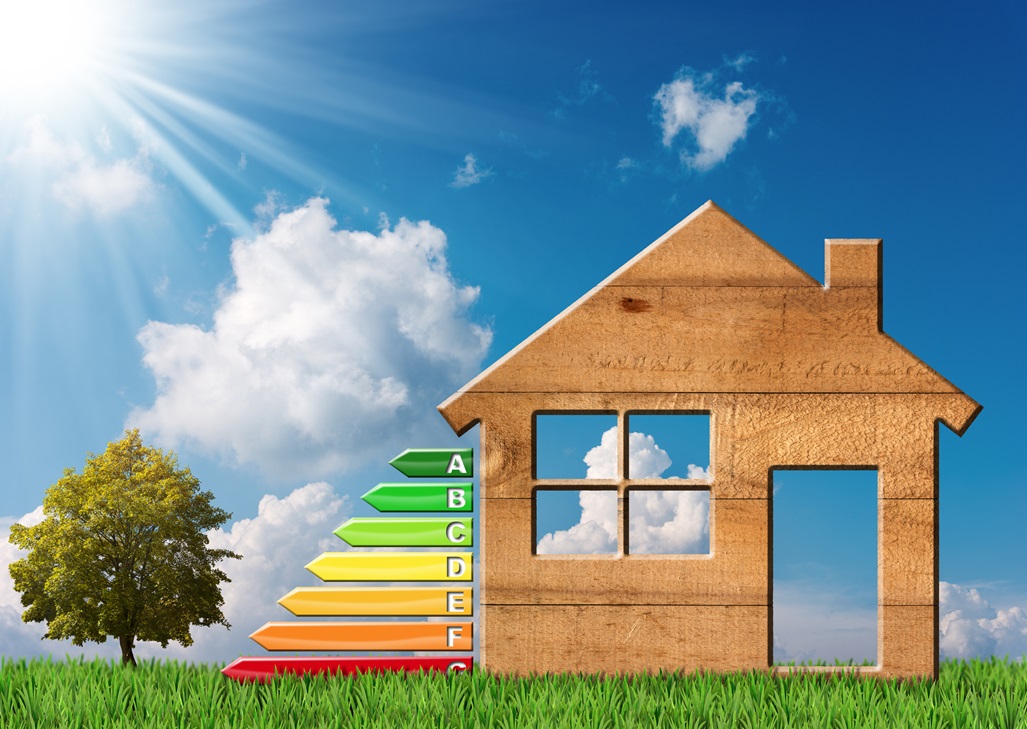
Top Energy-Efficient Improvements for Windows, Doors, and More
In today’s world, transforming your home into an energy-efficient haven goes beyond mere aesthetics; it’s about embracing sustainability while enhancing comfort. Windows, doors, and other key areas of your home provide the perfect starting point for significant improvements. With rising energy costs and an increased focus on environmental responsibility, making energy-efficient upgrades not only lowers your bills but also reduces your carbon footprint. Imagine basking in natural light through triple-glazed windows that keep you warm in winter and cool in summer or installing expertly sealed doors that block drafts and noise. These small changes can lead to substantial savings and contribute to a greener planet. Join us as we explore the top energy-efficient improvements for windows, doors, and more – your ultimate guide to creating a home that’s stylish, comfortable, and eco-friendly.
Understanding Energy Efficiency in Home Improvements
In an era where environmental consciousness and economic savings go together, understanding the importance of energy efficiency in home improvements is paramount. By targeting areas of your home that contribute significantly to energy loss, you can achieve substantial reductions in your utility bills and carbon footprint. Energy efficiency is not just a trend but a necessary measure to ensure a sustainable future for the coming generations. It involves the strategic selection of materials, technologies, and designs that minimise energy consumption while maximising comfort and functionality.
A significant portion of energy loss in homes occurs through windows , doors, and poorly insulated areas. These not only affect the overall comfort but also lead to higher heating and cooling costs. By addressing these key areas, you can create a more energy-efficient living space. This comprehensive approach to home improvement not only saves money but also contributes to a healthier environment by reducing greenhouse gas emissions.
Investing in energy-efficient home improvements also enhances the value of your property. Buyers are increasingly looking for homes that offer long-term savings and sustainability features. Therefore, making these upgrades not only benefits your immediate living conditions but also increases your home’s marketability. Understanding the principles of energy efficiency empowers you to make informed decisions that benefit both your wallet and the planet.
The Importance of Energy-Efficient Windows
Windows play a crucial role in a home’s energy efficiency. They are responsible for significant heat gain and loss, which directly impacts your heating and cooling costs. Energy-efficient windows are designed to reduce these losses, providing better insulation and maintaining a consistent indoor temperature. This not only enhances comfort but also reduces the strain on your HVAC system, leading to lower energy consumption.
One of the most effective types of energy-efficient windows is triple-glazed windows . These windows consist of three layers of glass with gas-filled spaces in between, which significantly improve insulation properties. They help in maintaining a steady indoor temperature by preventing heat escape during winter and reducing heat ingress during summer. This type of window also minimises noise pollution, making your home more serene and comfortable.
Low-emissivity (Low-E) coatings are another feature to consider for energy-efficient windows. These coatings reflect infrared light, keeping heat inside during winter and outside during summer. They also block harmful UV rays that can fade your furniture and flooring. By choosing windows with Low-E coatings, you can enjoy a more comfortable living environment while protecting your home’s interior from sun damage.
Choosing the Right Energy-Efficient Doors
Doors, much like windows, are critical components of your home’s energy efficiency. Poorly insulated or improperly sealed doors can lead to significant energy loss, affecting your home’s overall thermal performance. Selecting the right energy-efficient doors involves considering materials, insulation properties, and design features that enhance both functionality and aesthetics.
Fibreglass doors are an excellent option for energy efficiency. They offer superior insulation compared to traditional wooden or steel doors, thanks to their foam core. Fibreglass doors are also durable and low-maintenance, making them a long-lasting investment for your home. Their versatility in design options allows you to choose a style that complements your home’s architecture while improving energy efficiency.
Another important factor is the door’s weatherstripping and seals. High-quality weatherstripping prevents drafts and air leaks, ensuring that your home remains well-insulated. Proper sealing around the edges of the door reduces energy loss and enhances comfort by maintaining a consistent indoor temperature. Additionally, consider doors with multiple glazing options for added insulation and noise reduction.
Insulation: Maximising Energy Savings
Insulation is one of the most effective ways to improve your home’s energy efficiency. Proper insulation reduces heat transfer, keeping your home warmer in winter and cooler in summer. This not only enhances comfort but also significantly lowers your heating and cooling costs. Insulation can be applied to various parts of your home, including walls, attics, and floors, each contributing to overall energy savings.
Attic insulation is particularly important as heat rises and can escape through the roof. By insulating your attic, you can prevent this heat loss and reduce the need for excessive heating during colder months. Various materials, such as fibreglass batts, spray foam, and cellulose, offer different levels of insulation. Choosing the right material depends on your specific needs and budget.
Wall insulation is equally crucial, especially in older homes that may not have adequate insulation. Insulating your walls can be done using methods like blown-in insulation, which involves filling wall cavities with insulating material. This method is effective in reducing heat transfer and improving the overall thermal performance of your home. Floor insulation is also beneficial, particularly for homes with unheated basements or crawl spaces. By insulating these areas, you can prevent cold air from seeping into your living spaces.
Smart Home Technology for Energy Efficiency
The integration of smart home technology is transforming how we manage energy consumption in our homes across the UK. Smart thermostats, lighting systems, and appliances offer enhanced control over energy use, resulting in significant savings and improved comfort. These technologies allow you to monitor and adjust energy usage in real time, ensuring that no energy is wasted.
Smart thermostats, such as those from Nest and Hive, learn your preferences to optimise heating and cooling settings. They can be controlled remotely via smartphone apps, enabling you to manage your energy consumption even when you’re not at home. These devices also provide insights into your energy usage patterns, helping you make informed decisions to further reduce consumption.
Smart lighting systems, like Philips Hue and those available from UK retailers, allow you to control the brightness and colour of your lights using a smartphone or voice commands. These systems can be programmed to turn off automatically when not in use, helping to minimise energy waste. Additionally, smart plugs and power strips let you manage the power supply to various devices, ensuring they do not draw energy when not needed.
By integrating these technologies, you can create a more energy-efficient and convenient living environment, helping to lower your energy bills and contribute to a greener UK.
Benefits of Energy-Efficient Lighting Solutions
Lighting accounts for a significant portion of a home’s energy consumption. By switching to energy-efficient lighting solutions, you can reduce your electricity bills and lower your environmental impact. LED bulbs are one of the most effective lighting options available today. They use up to 80% less energy than traditional incandescent bulbs and last significantly longer, making them a cost-effective choice.
LED bulbs are available in a variety of styles and colours, allowing you to create the perfect ambiance in your home. They are also more durable and resistant to breakage, making them a safer option for households with children and pets. Additionally, LED bulbs produce less heat, reducing the strain on your air conditioning system during warmer months.
Another energy-efficient lighting solution is the use of motion sensors and timers. Motion sensors automatically turn lights on when someone enters a room and off when the room is unoccupied, preventing unnecessary energy use. Timers can be programmed to turn lights on and off at specific times, ensuring that your home is well-lit when needed and conserving energy when it’s not. By implementing these lighting solutions, you can enjoy a bright, comfortable home while reducing your energy consumption.
Sustainable Materials for Home Improvements
Choosing sustainable materials for home improvements is a key aspect of creating an energy-efficient and eco-friendly living space. Sustainable materials are those that have a minimal impact on the environment throughout their lifecycle, from production to disposal. These materials are often renewable, recyclable, and sourced responsibly, making them an excellent choice for environmentally conscious homeowners.
Bamboo is a popular sustainable material for flooring and cabinetry. It grows rapidly, making it a renewable resource that can be harvested without causing significant environmental damage. Bamboo is also durable and versatile, offering a stylish and eco-friendly alternative to traditional hardwood. Reclaimed wood is another sustainable option, repurposing old wood from buildings and furniture to create new, unique pieces. This not only reduces waste but also adds character and history to your home.
Recycled materials are also gaining popularity in home improvements. Recycled glass countertops and tiles, for example, are made from post-consumer glass, reducing the need for new raw materials. These products are available in a variety of colours and styles, allowing you to create a beautiful and sustainable living space. By choosing sustainable materials, you can reduce your environmental impact and contribute to a more sustainable future.
Government Grants and Incentives for Energy Efficiency
Many governments worldwide offer grants and incentives to encourage homeowners to make energy-efficient improvements, aiming to reduce energy consumption and promote sustainable living. In the UK, while the Green Homes Grant scheme officially ended in March 2021, alternatives remain available. The ongoing Energy Company Obligation (ECO) requires energy suppliers to assist households in lowering their energy consumption through measures like insulation and heating upgrades, especially for low-income households.
Additionally, the Boiler Upgrade Scheme, launched in April 2022, provides grants for installing low-carbon heating systems, such as heat pumps. Many local councils also have their own programs offering financial support for energy improvements, alongside government tax reliefs for eco-friendly works. By leveraging these financial incentives, UK homeowners can offset initial costs and achieve long-term savings on their utility bills while contributing to environmental sustainability.
Conclusion: Making the Right Energy-Efficient Choices
Transforming your home into an energy-efficient haven is a rewarding endeavour that benefits both your wallet and the planet. Lancashire Double Glazing specialises in key areas such as high-quality windows and doors that enhance insulation and lighting, helping you achieve substantial energy savings and greater comfort in your living space. By integrating smart home technology and choosing sustainable materials, you can create a home that is both stylish and eco-friendly.
Understanding the principles of energy efficiency and taking advantage of government grants and incentives can make these improvements more accessible and affordable. By making informed decisions and prioritising upgrades with Lancashire Double Glazing , you can enjoy long-term savings on your utility bills while contributing to a more sustainable future.
The journey to an energy-efficient home is a continuous process of learning and improvement. By staying informed about the latest technologies and best practices, you can enhance your home’s energy efficiency and reduce your environmental impact. Embrace the challenge with Lancashire Double Glazing whether you are in Preston or Coniston , and transform your home into a model of sustainability and comfort. Together, we can make a positive impact on both your life and the planet.

